Fallen for the brick stoops and classic cornices in Federal Hill? You are not alone. Baltimore’s rowhouses have charm, walkability, and history, but they also come with unique layouts, systems, and maintenance you should understand before you buy. In this guide, you will learn what makes a Baltimore rowhouse distinct, what to look for during tours and inspections, how historic rules may affect your plans, and how to decide if this lifestyle fits you. Let’s dive in.
What defines a Baltimore rowhouse
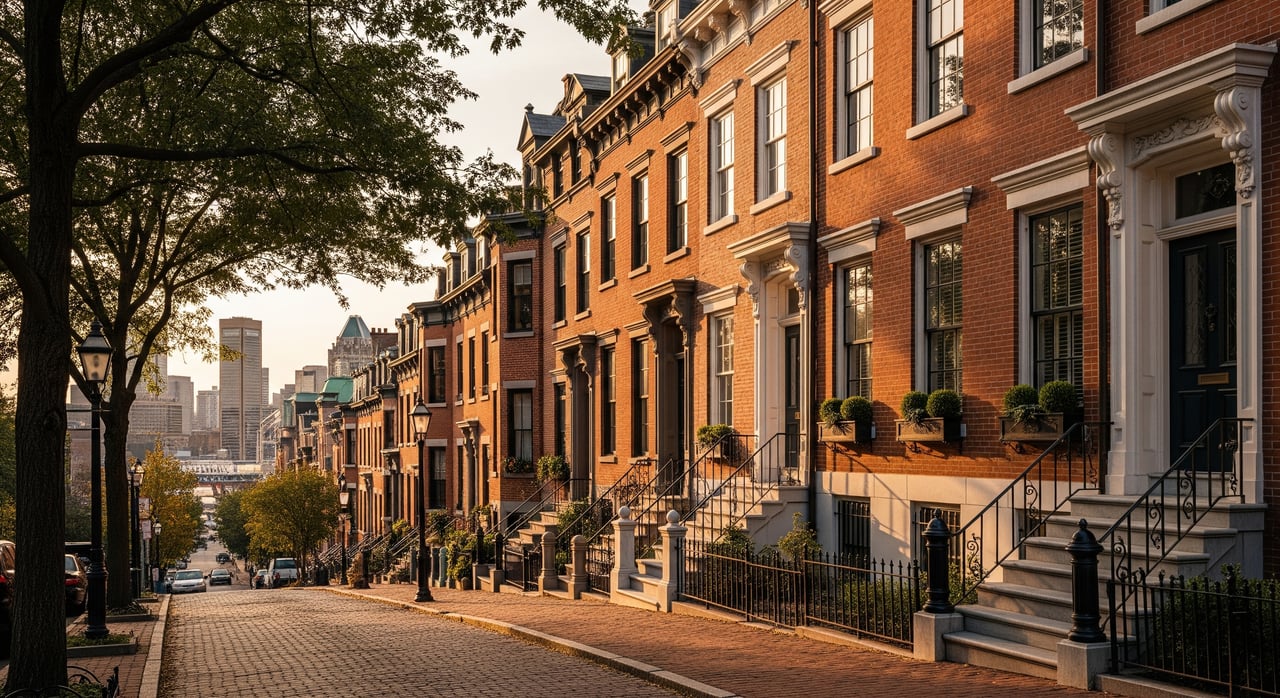
A Baltimore rowhouse is a narrow, attached masonry home that shares party walls with neighbors. Most were built in the late 19th and early 20th centuries, often two to four stories, with a small front stoop and a deep lot that may include a rear yard or alley access. Brick is the norm, with decorative cornices and, in many cases, a mid-century façade treatment called Formstone.
If you are focused on Federal Hill, you are shopping in Baltimore City. Local permitting and reviews for exterior changes are handled by Baltimore City agencies, and many blocks around Federal Hill Park fall under historic-preservation oversight. That status shapes what you can change on the exterior.
Federal Hill lifestyle and context
Federal Hill is a walkable, urban neighborhood with dining and retail corridors near the Inner Harbor. You will find rows concentrated around the park and along cross streets on the South Baltimore peninsula. Many homes have limited or no off-street parking, though some properties have rear-yard parking or alley access.
Expect lively street life and convenience to downtown, transit, and bike routes. Yards tend to be shorter. If daily driving is part of your routine, plan to understand the block’s street-parking rules administered by Baltimore City.
Layouts you will see
Original floor plans
- Front parlor or living room facing the street.
- Separate dining room in the middle of the main level.
- Kitchen at the rear or in a rear ell, often modest in size.
- Upper floors with stacked bedrooms and a single bathroom in older layouts.
- Basements that are partially below grade for utilities, laundry, and storage.
- Attics that may be unfinished or finished later.
Modern updates and variants
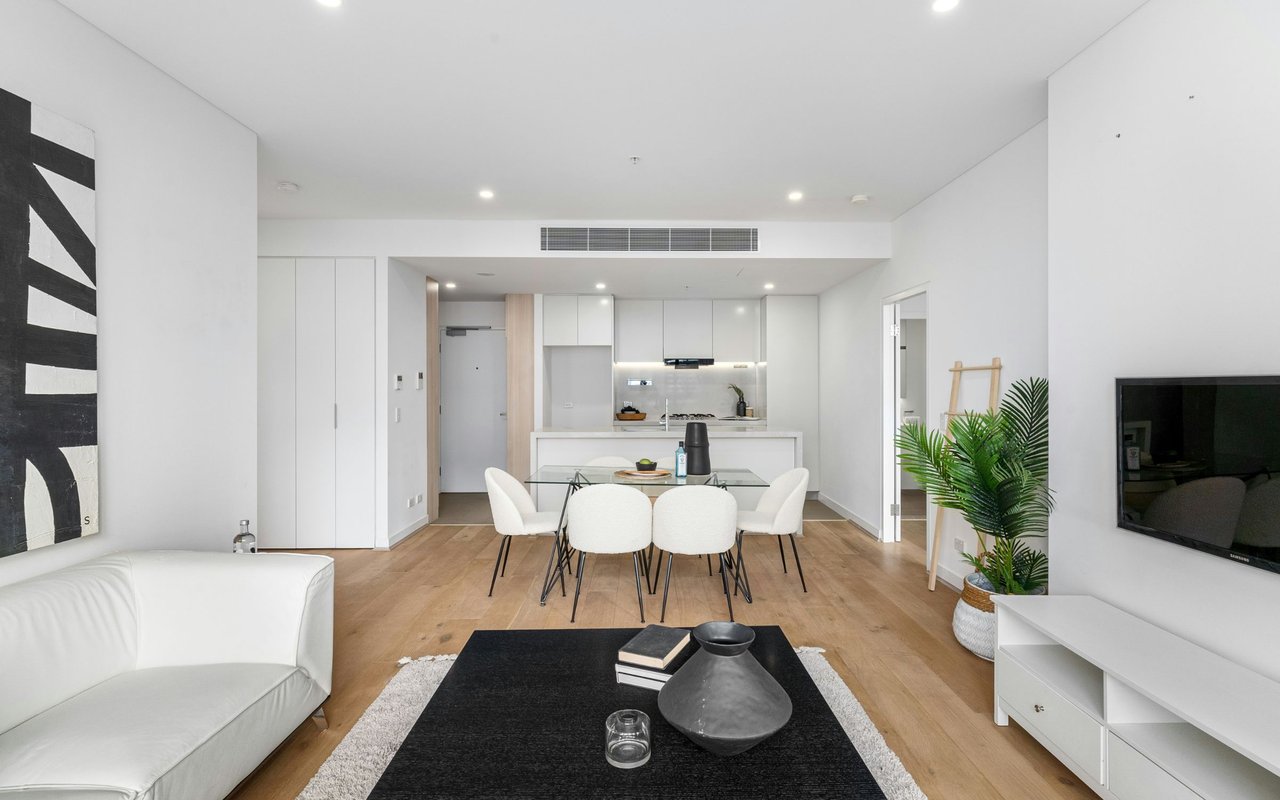
- Open-plan gut rehabs that move or expand the kitchen and remove interior walls.
- Rear additions to enlarge kitchens and living spaces.
- Garden-level or split units with a basement apartment.
- Multi-family conversions in some parts of the city.
What it means for you
Rooms and staircases can be narrow, so furniture and circulation need planning. Vertical living means you will use stairs daily. Storage can be limited in older homes, so many buyers add built-ins or finish basements or attics to gain space.
Construction and materials to inspect
Masonry and Formstone
Brick façades are common, and many were later covered with Formstone or other claddings. Formstone can look appealing but may hide brick or mortar deterioration. Removal can be costly and can reveal damage that needs repair. Watch for mortar joints that need repointing, loose bricks, or efflorescence that signals moisture.
Roofs, cornices, and drainage
Rowhouses often have flat or low-slope roofs with parapet walls and decorative cornices. Pay attention to ponding water, aging roof membranes, and failing flashings at party walls. Gutters and downspouts play a big role in directing water away from masonry. Cornice and trim deterioration is a visible maintenance item on older rows.
Foundations and basements
Stone or brick foundations are common in the older stock. Moisture and water intrusion are frequent basement concerns. Look for signs of dampness or mold, ask about past waterproofing, and check that grading and drainage slope water away from the building. A sump pump is a plus but still verify a full moisture history.
Windows and doors
Many houses still have original wood sash windows, which can be drafty and less energy efficient. Replacement double-hung windows or storm windows are typical upgrades. In historic districts, visible window replacements may require in-kind materials and design approvals.
Mechanical, plumbing, and electrical
Older systems might include gas-fired boilers or steam radiators, older-diameter plumbing, and electrical panels that need an upgrade. Some renovations include full system replacements. Ask for permits and receipts for any recent work so you can verify scope and compliance.
Health and safety
Houses built before 1978 likely contain lead-based paint. Renovation work should follow EPA and HUD lead-safe practices. Older homes may also have asbestos in certain materials from pre-1980 renovations. If you are finishing or using the basement as living space, include a radon test in your inspection plan.
Maintenance priorities and lifespans
The biggest risk areas in Baltimore rowhouses are water-related. Focus your inspection and budget planning on these items:
- Roof membranes and flashings at party walls. Water intrusion here can cause costly damage.
- Chimneys and mortar repointing. These are recurring maintenance items.
- Basement moisture. Confirm past waterproofing and look for mold or dampness.
- Structural members. Investigate sagging floors or signs of rot.
- Mechanical systems. Check age and remaining life for HVAC, boiler, and water heater.
- Exterior masonry and decorative trim. Repointing and cornice repairs can be expensive.
General lifespan ranges help you forecast costs:
- Asphalt shingle roof: about 15 to 30 years.
- Flat roof membrane: often 10 to 20 years depending on the system and care.
- Replacement windows: about 20 to 30 years.
- Boiler or HVAC: about 10 to 25 years.
- Water heater: about 8 to 12 years.
Actual condition matters more than age, so rely on inspector findings.
Historic rules and permits
If the property is within a designated historic district, exterior changes often require review and approval by Baltimore City’s historic-preservation commission. This can affect window replacements, front stoops, cornices, and any visible façade work, including Formstone removal. Before you commit to exterior upgrades, confirm the property’s status and the approvals you will need.
Rowhouses also share party walls. Ask your agent and title company to confirm any recorded easements, party-wall agreements, or roof access rights. If the property has alley access, verify rights related to parking, utilities, and any rear additions.
Parking, alleys, and access
Parking is often on-street in Federal Hill. Some homes have rear yards converted to parking pads or have alley or garage access. Street-parking permits and meters are managed by Baltimore City, and rules can vary block by block. During tours, visit at different times of day to gauge availability and traffic patterns.
Buying steps for Federal Hill rowhouses
Before you tour
- Confirm you are searching in Baltimore City to align with permitting and historic rules.
- Define your priorities: number of bedrooms and baths, finished basement needs, and whether a roof deck or rear parking is a must.
- Line up financing so you can act quickly on the right home.
- Partner with a local agent who knows Federal Hill rows and historic processes.
On-site checklist for tours
- Look for signs of water intrusion, like basement dampness or ceiling stains.
- Check rooflines, cornices, gutters, and party-wall flashings from the street or yard.
- Note foundation cracks and any uneven floors or sagging joists.
- Assess window condition and whether they appear original or replaced.
- Review the HVAC age tag and peek at the electrical panel for modern capacity.
- Observe street-parking conditions and proximity to transit and amenities.
- Scan for evidence of recent renovations and ask to see permits where applicable.
Due diligence and inspections
- Order a full home inspection plus specialty inspections: roof and chimney, sewer scope, lead-risk assessment for pre-1978 homes, and moisture or radon testing for finished basements.
- Request seller disclosures and documentation for prior work.
- Ask for a detailed history of water intrusion, basement waterproofing, and structural repairs.
- If you plan exterior changes, contact the local historic-preservation office early in your planning.
- Get contractor estimates for any visible major work before you finalize your offer strategy.
Where else to look nearby
If Federal Hill inventory is tight, consider adjacent or similar neighborhoods with classic rowhouse stock:
- Riverside, Otterbein, Locust Point, and South Baltimore.
- Fells Point and Canton for maritime and industrial-era rows, plus newer infill.
- Other city districts with notable rows include Mount Vernon, Bolton Hill, Reservoir Hill, Station North, and Hampden.
Traditional narrow masonry rowhouses are concentrated in Baltimore City. If you are searching for that specific character, focus within the city or inner-ring areas that adjoin it rather than Baltimore County’s more suburban housing stock.
Is a rowhouse right for you?
Rowhouses offer a walkable urban lifestyle, strong neighborhood identity, and classic architecture near shops, restaurants, and the Harbor. The tradeoffs include narrower spaces, daily stairs, limited off-street parking, and ongoing maintenance typical of older masonry and flat or low-slope roofs. If you love the energy of Federal Hill and are comfortable planning for the upkeep, a rowhouse can be a great fit.
As you weigh options, keep your focus on structural and moisture conditions, the scope and cost of any desired renovations, and historic-district requirements. Choose inspectors who know Baltimore rowhouses and their common hot spots, especially masonry, chimneys, and party-wall flashings.
Ready to tour Federal Hill rows?
If a Federal Hill rowhouse is on your short list, you deserve a guide who knows the blocks, the buildings, and the process. I help buyers evaluate structure and systems, navigate historic reviews, and prioritize upgrades that support your lifestyle and budget. When you are ready, connect with V.V. Parker for a tailored search, smart due diligence, and a confident next step.
FAQs
What is Formstone on Baltimore rowhouses?
- Formstone is a mid-20th-century stone-look veneer applied over brick. It can hide brick or mortar issues, and removal may be costly and reveal repairs.
How often do flat roofs need replacement?
- Many flat or low-slope roof membranes last about 10 to 20 years, depending on the system and maintenance. Verify actual condition during inspection.
Do Federal Hill homes need historic approval for windows?
- If the property is in a designated historic district, visible window replacements often require review and in-kind materials. Always confirm before you start.
What inspections should I order for a rowhouse?
- Schedule a home inspection plus roof and chimney review, a sewer scope, lead-risk assessment for pre-1978 homes, and moisture or radon testing for finished basements.
How do party walls affect repairs and access?
- Party walls are shared with neighbors. Check for recorded agreements or easements related to repair responsibilities and roof or rear access.
Is Federal Hill in Baltimore County or Baltimore City?
- Federal Hill is in Baltimore City. City agencies oversee permits and historic reviews for exterior work in designated areas.