Water views, historic charm, and a quick hop to downtown without living in the center. If that mix sounds right, Locust Point might be your spot. You want a clear picture of home types, prices, commute options, parks, and the practical checks to make before you buy. This guide breaks it all down so you can decide with confidence. Let’s dive in.
Locust Point at a glance
Locust Point sits on a small South Baltimore peninsula bordered by the Patapsco River, with Lawrence Street on the west. It is a listed historic district known for brick rowhouses from the late 19th and early 20th centuries and a growing mix of newer townhomes and condos. You will also find major waterfront landmarks, including Fort McHenry and adaptive reuse sites like Silo Point. For a quick history and neighborhood overview, see the summary on Locust Point’s Wikipedia page.
Public neighborhood population estimates vary by source and year, generally in the 2,800 to 3,500 range. Treat any single figure as a snapshot rather than a fixed number.
Homes and prices
What you will find
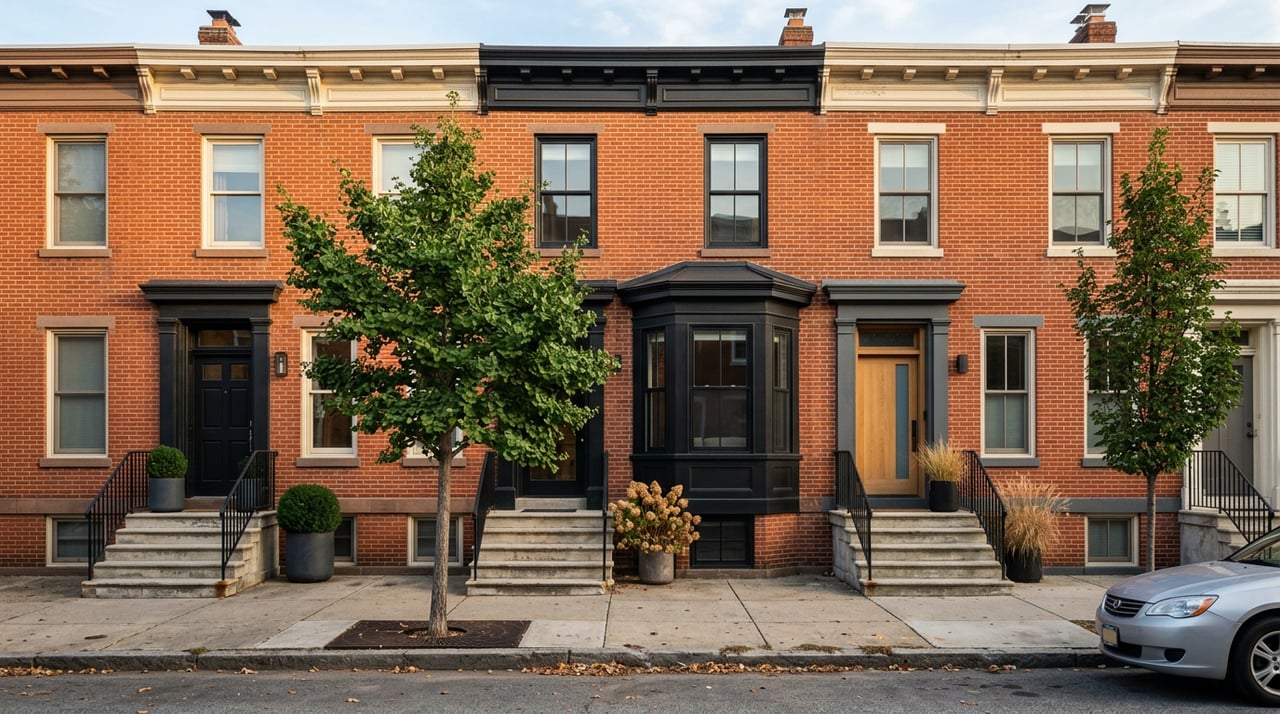
- Classic Baltimore brick rowhouses with Victorian, Italianate, and Queen Anne details on many blocks.
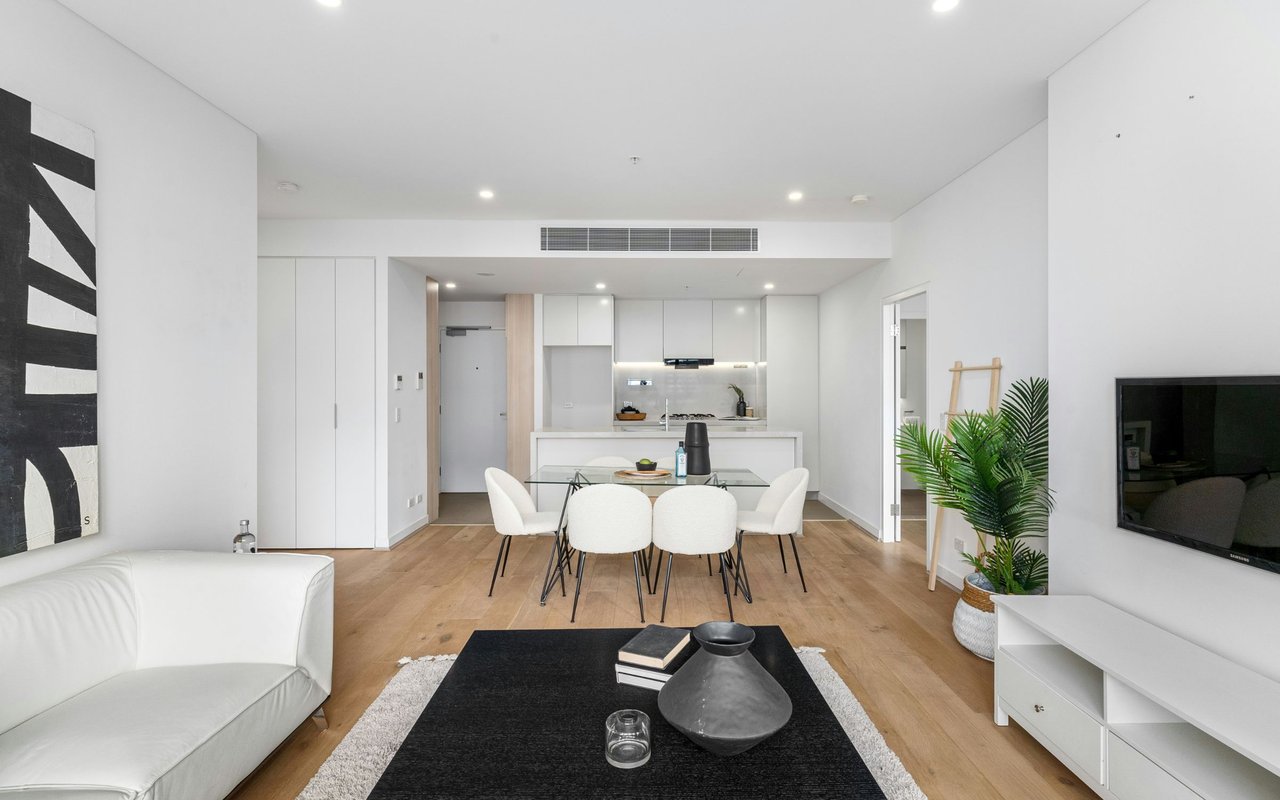
- Newer townhomes and condos from infill and adaptive reuse, including high-rise condos at Silo Point.
- Mixed-use hubs like McHenry Row and Tide Point that add modern living options close to retail.
Current price context
- According to a January 2026 market snapshot, the neighborhood’s median sale price was about $432,000. Inventory and days on market shift month to month, so use time-stamped data when you compare.
- Typical ranges to set expectations:
- Entry rowhouses or basic condos: upper $200Ks to low $400Ks.
- Renovated 3-bed rowhomes, often with rooftop decks: roughly $400K to $650K.
- Waterfront and newer luxury condos, including Silo Point: mid $300Ks up to the $600K–$700K range, with higher prices for select larger or view units.
Features that drive price include off-street or garage parking, rooftop decks, full-system renovations, and premium water or skyline views.
Getting around
Driving
Locust Point connects to downtown via Key Highway and McComas Street, with the Fort McHenry Tunnel on I-95 offering a direct regional link. You are under a few miles to the Inner Harbor, though drive times vary with traffic and time of day.
Transit options
For buses and regional connections, you can use MTA local routes in the South Baltimore corridors, with access to Light Rail and MARC for longer trips from nearby stations. Check the MTA routes and schedules for current routing and timing from your exact address.
Water connections
Locust Point benefits from Baltimore’s harbor transit. City-operated Harbor Connector routes and private water taxi services add scenic cross-harbor options and, at times, commuter service. See the city’s Harbor Connector page and the Baltimore Water Taxi site for routes and hours.
Bikes and short hops
Local bike lanes, including along Fort Avenue, and the Charm City Circulator support short, car-light trips. Frequency and routes can change, so confirm the latest schedules before you plan a daily commute.
Everyday living
Groceries and daily errands
McHenry Row anchors on-foot shopping and dining for many residents. It typically covers grocery needs, coffee, fitness, and casual dining, so you can do a lot close to home without crossing town.
Parks and waterfront access
Latrobe Park is the neighborhood’s main green space, with ball fields, courts, and a dog area. For a signature waterfront walk, the Fort McHenry National Monument offers trails, open lawns, and sweeping harbor views. Plan a visit through the National Park Service’s Fort McHenry page.
Schools overview
Many buyers look at nearby public options such as Francis Scott Key Elementary/Middle and Digital Harbor High School. Baltimore City uses a choice and assignment model for secondary schools, and boundaries can change. Always verify assignment for a specific address through Baltimore City Public Schools, and consider visiting schools to understand programs and extracurriculars.
Safety and due diligence
Public safety varies block to block in Baltimore. Third-party sites publish neighborhood summaries with mixed grades for Locust Point. For context, some tools cite a mid-range score for the area. Review local data and trends and consider talking with neighbors. You can see one example of aggregated summaries at CrimeGrade’s Locust Point page.
Buyer checklist for Locust Point
Use this quick checklist to focus your tours and due diligence.
1) Walkability and errands
- What to consider: Many addresses are a short walk to grocery, coffee, parks, and harbor paths. Walkability is stronger near McHenry Row and Key Highway corridors.
- Your check: Walk your morning and evening routes to stores and transit. Get a baseline using Walk Score’s Locust Point page.
2) Parking and garages
- What to consider: Most classic rowhouses rely on street parking and small rear yards. Newer homes and renovations may include rear-entry garages or parking pads.
- Your check: Ask about deeded parking, alley access, and garage dimensions. If street parking matters, confirm your address rules through the city’s Residential Permit Parking program.
3) Outdoor space choices
- What to consider: In-row homes often trade private yards for rooftop decks with skyline views. Condos offer balconies and shared amenities instead of yards.
- Your check: Confirm lot size, any roof-deck permits, and feasibility for changes under local codes and the historic district context.
4) Flood risk and insurance
- What to consider: Parts of this low-lying peninsula can face nuisance or tidal flooding during storms. Flood zones and projections vary by block.
- Your check: Pull FEMA flood-zone details for the exact parcel, ask for any Elevation Certificate, and price any required flood insurance. For a visual primer on scenarios, use NOAA’s Sea Level Rise Viewer.
5) Schools and programs
- What to consider: Proximity to K–8 options and a citywide choice system for secondary schools gives you pathways, but rules and boundaries change.
- Your check: Verify assignment and application timelines at Baltimore City Public Schools. Visit schools and review current offerings.
6) Market and resale
- What to consider: Locust Point is small and waterfront-adjacent, which can support demand. Median price and days on market move with city trends, so use current numbers.
- Your check: Request recent comps for your block and property type from the last 6 to 12 months and discuss likely buyer demand if you plan to resell.
7) HOA and condo costs
- What to consider: Buildings like Silo Point and other waterfront conversions often have HOA or condo fees that cover amenities, insurance, and parking. These can change your monthly budget compared to a fee-simple rowhouse.
- Your check: Ask for the latest HOA budget, reserve study, rules, and any special assessment history before you make an offer. For a sense of building type and amenities, browse Silo Point’s site.
Locust Point vs nearby neighborhoods
- Federal Hill: Lively and very walkable with dense dining and nightlife. Often similar or higher pricing by block. If you want an active vibe close to downtown, it is worth comparing.
- Riverside: Adjacent to Locust Point with a similar rowhouse fabric and some newer construction. Depending on the street and product, pricing can be comparable.
- Canton and Fells Point: East-side waterfront neighborhoods with strong walkability and entertainment cores. They offer a wide range of homes, including many renovated rowhouses and new builds.
Your best choice comes down to the daily experience you want, plus commute and budget. Touring several areas back to back helps you feel the differences quickly.
Next steps
If Locust Point feels like a fit, line up a focused tour list that hits a classic rowhouse, a renovated rowhome with a deck, and at least one condo to see how monthly costs and layouts compare. Bring this checklist, confirm your address-specific items, and use current comps to zero in on value.
Ready to get a curated set of homes and a step-by-step plan to buy with confidence in Locust Point? Connect with V.V. Parker for local guidance backed by Compass tools and a client-first approach.
FAQs
What kinds of homes are common in Locust Point?
- You will find historic brick rowhouses alongside newer townhomes and mid to high-rise condos from adaptive reuse, including Silo Point.
How much do homes cost in Locust Point today?
- As of January 2026, the median sale price was about $432,000. Entry homes often start in the upper $200Ks to low $400Ks, with renovated rowhomes and view condos higher.
Is it easy to commute from Locust Point to downtown Baltimore?
- Yes, it is a short drive via Key Highway, and transit options include MTA buses plus harbor services. Always check the MTA schedule for current routes.
Where can I learn about flood risk for a specific address?
- Start with NOAA’s Sea Level Rise Viewer and then obtain parcel-level FEMA flood-zone info and any Elevation Certificate from the seller or your insurer.
How does parking work for rowhouses in Locust Point?
- Many rowhouses rely on street parking, while newer homes may have garages or pads. Check address eligibility and rules through the city’s Residential Permit Parking program.
What schools serve Locust Point addresses?
- Nearby public options often include Francis Scott Key Elementary/Middle and Digital Harbor High, but assignments can change. Verify for your address at Baltimore City Public Schools.