Torn between Canton and Locust Point? You are not alone. Both South Baltimore neighborhoods offer waterfront vibes, walkability, and quick access to downtown, yet the day-to-day feel can be very different. In this guide, you will compare homes, price tendencies, parks, waterfront access, and commuting so you can choose the area that fits your lifestyle. Let’s dive in.
Quick neighborhood snapshots
Canton at a glance
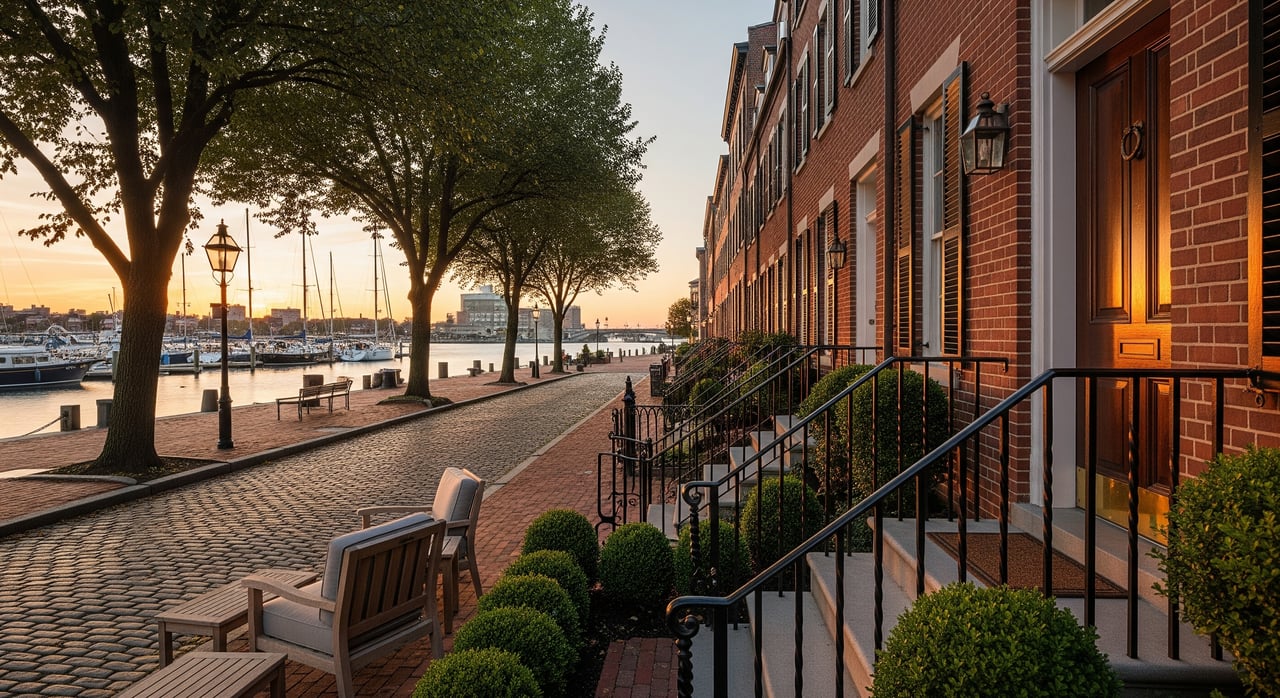
Canton blends historic rowhouses with newer condos and a lively restaurant scene. You will find an active waterfront promenade, busy commercial corridors, and many renovated homes near Canton Square and the harbor.
Locust Point at a glance
Locust Point offers a calmer residential streetscape and proximity to Fort McHenry’s open green space. Housing skews toward brick rowhouses and lower-rise options, with a more low-key dining and retail mix.
Homes and architecture
Canton housing
- Historic brick rowhouses, many renovated or expanded.
- Mix of townhouses, mid-rise condos, and luxury waterfront units.
- Newer infill and mixed-use buildings common near the waterfront and Canton Square.
Locust Point housing
- Brick rowhouses and some modest freestanding homes in pockets.
- Lower overall density than Canton’s busiest corridors.
- Some newer condo and townhouse infill, but fewer high-rise options.
Price tendencies
- Canton has historically commanded higher prices per square foot in premium pockets, especially near Canton Square and the waterfront.
- Locust Point has often been competitive and sometimes slightly lower on a per-square-foot basis, with variation by block and renovation level.
- Prices shift with inventory and development. Use current comps for median sale price, price per square foot, days on market, and months of supply before you decide.
Waterfront and views
- Canton: Continuous public promenade and gathering areas are a major draw, with quick access to Canton Waterfront Park and harbor views.
- Locust Point: Notable waterfront access around Fort McHenry and select piers, with more residential stretches along the water in some areas.
- For both neighborhoods, proximity to the water can add recreation and views, along with potential tradeoffs like flood risk, event noise, or higher insurance. Verify property-specific details.
Parks and recreation
- Canton: Canton Waterfront Park anchors the shoreline; you are also a short walk or ride to Patterson Park for sports fields, playgrounds, and community events.
- Locust Point: Fort McHenry offers expansive open space and trails, plus neighborhood parks that support an established residential feel.
- If parks for dogs, playgrounds, or seasonal events matter, map out your most-used spots during a visit.
Commuting and transit
- Both neighborhoods provide quick access to downtown Baltimore and the Inner Harbor, with similar drive times.
- Regional access to major corridors, including routes to I‑95 and the Baltimore–Washington corridor, is convenient from both areas depending on your exact address.
- Public transit is primarily via local bus and water taxi options in the Inner Harbor area. Walkability is strong in both, with bike routes available.
Amenities and dining
- Canton: Dense dining and retail around Canton Square and along Boston Street, with more late-night options.
- Locust Point: Neighborhood-oriented retail and a growing restaurant scene with a quieter evening rhythm.
- Both areas connect to seasonal waterfront events and community programming.
Safety, schools, and services
- Safety: Conditions vary block by block. Canton’s nightlife corridors see more late-night activity; Locust Point’s residential streets are typically quieter. Review recent police data and talk with neighbors when evaluating a specific block.
- Schools: Both are served by Baltimore City Public Schools, with private and parochial options nearby. Confirm attendance zones and performance with official state resources.
- Services: Access to hospitals, groceries, and city services is comparable, though availability of specific stores and providers varies by micro-location.
Pros and cons: side by side
Canton pros
- Strong waterfront promenade and active public spaces.
- High concentration of restaurants, bars, and shops.
- More options for newer condos and luxury waterfront living.
Canton tradeoffs
- Busier corridors and more late-night activity in some areas.
- Premium pricing in pockets near the square and waterfront.
- Parking and event noise can vary block by block.
Locust Point pros
- Calmer residential streets and established neighborhood character.
- Direct access to Fort McHenry’s open space and trails.
- Competitive pricing in some segments compared with nearby premium pockets.
Locust Point tradeoffs
- Fewer high-rise condo choices and less continuous commercial waterfront.
- Smaller, more low-key retail footprint.
- Access points and commute times can vary by block.
Decision checklist
Use this simple scoring exercise. Give each item a 1–5 score for importance, then circle the neighborhood that typically aligns best.
- Nightlife and walkable dining: Canton often scores higher; Locust Point is quieter.
- Quiet residential feel: Locust Point often aligns more; Canton varies by block.
- Continuous waterfront promenade: Canton often stronger; Locust Point has access around Fort McHenry.
- Newer condo options: Canton typically offers more; Locust Point has select options.
- Short commute downtown: Both are comparable; verify from a specific address.
- Price sensitivity: Locust Point can be more approachable in some areas; Canton has premium pockets.
Total your scores and set 2–3 must-haves before touring. Then compare actual homes that meet those priorities.
What to verify before you buy
- Flood zone status, elevation, and any flood insurance requirements for the address.
- On-street parking rules, permit areas, and garage availability.
- HOA or condo fees, pet policies, and building reserves for condos.
- Property tax estimates and potential assessment changes.
- Current comps: median sale price, price per square foot, average days on market, and months of supply.
- Planned or active development that could affect views, traffic, or value.
- Commute tests at peak and off-peak times to key destinations.
- School attendance zones and program availability, if relevant to your needs.
The bottom line
If you want an energetic waterfront promenade, dense dining, and a wider mix of condos, Canton may fit. If you prefer a calmer residential setting with direct access to Fort McHenry’s green space, Locust Point may feel right. Both deliver strong walkability and quick connections to downtown, so the best choice depends on your daily rhythm, housing type, and budget.
Ready to tour both and compare real, on-the-ground options? Reach out to V.V. Parker for hyperlocal guidance, tailored comps, and a curated list of homes that match your priorities.
FAQs
Is Canton or Locust Point better for nightlife?
- Canton typically has a higher concentration of restaurants and late-night options, while Locust Point maintains a quieter evening feel.
Which neighborhood has more waterfront access?
- Canton offers a more continuous public promenade, while Locust Point provides notable access around Fort McHenry and select piers.
How do home types differ between the two?
- Canton has more newer condos alongside historic rowhouses; Locust Point leans toward rowhouses and lower-rise residential with fewer high-rise options.
Are prices higher in Canton or Locust Point?
- Historically, premium pockets in Canton have commanded higher prices per square foot, while Locust Point has often been competitive and sometimes slightly lower, depending on location and renovation.
What is the commute like from each neighborhood?
- Both are close to downtown and the Inner Harbor, with similar drive times. Transit is primarily by bus and local options, with strong walkability in each.
Which area offers more green space?
- Canton has Canton Waterfront Park and access to Patterson Park; Locust Point offers direct access to the expansive green space at Fort McHenry, plus neighborhood parks.