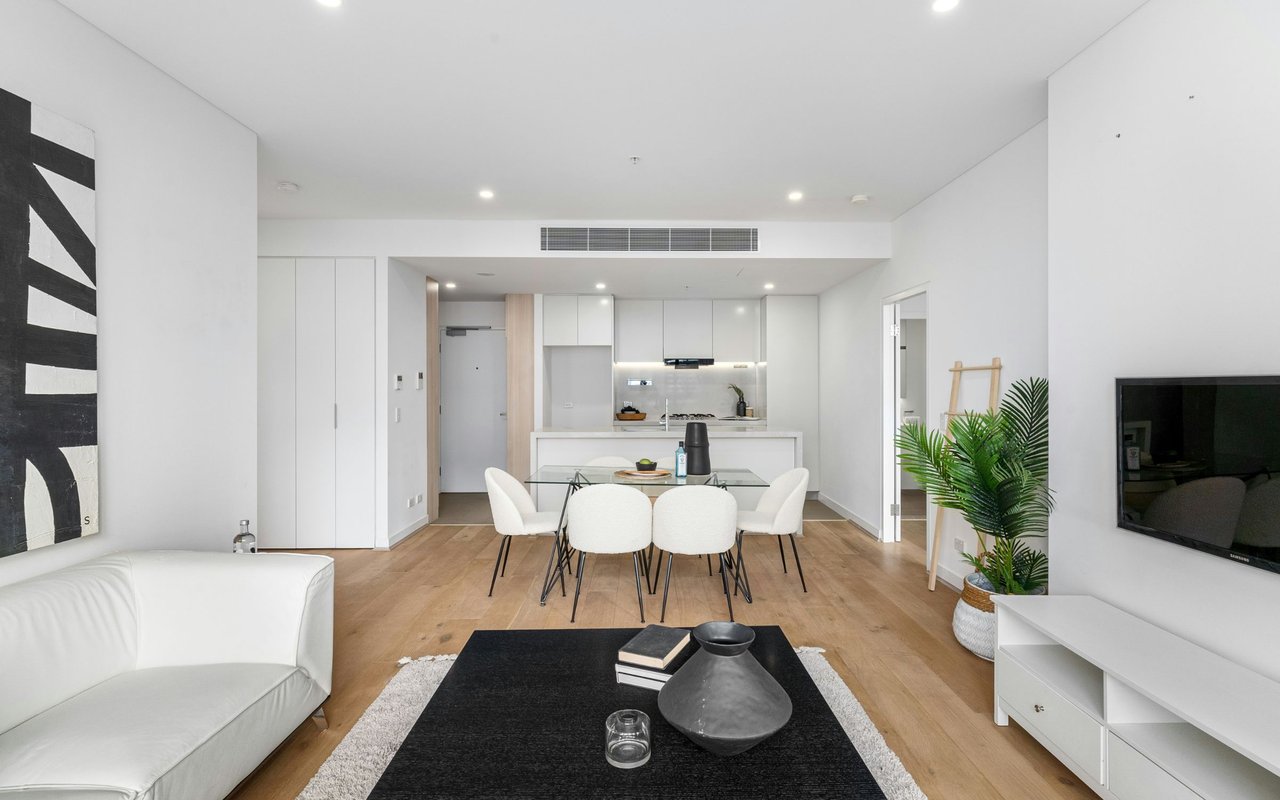
Wondering what your Ellicott City townhome would sell for right now? You are not alone. Pricing here is different from other suburbs because micro‑locations, HOAs, and even flood history can shift buyer demand. In this guide, you will learn a simple, step‑by‑step method for setting a competitive price, the local factors that matter most, and a checklist you can use to prep a confident number. Let’s dive in.
Start with the market context
Ellicott City has distinct micro‑markets. Historic Ellicott City, nearby subdivisions, and communities closer to major roads attract different buyers and price points. Your price should reflect what is happening in your immediate area, not just a county average.
Focus on current indicators at the time you list. Track months of inventory, median sale price for townhomes, days on market, and the list‑to‑sale price ratio. Also note any new zoning or infrastructure projects that could affect buyer confidence, especially around flood mitigation.
When you are close to listing, pull a neighborhood‑level snapshot. Use recent closed sales for townhomes as your anchor. Active and pending listings show competition and momentum.
Define your townhome precisely
Confirm property type and specs
Start by confirming legal property type. Note whether it is a townhome versus a condo or rowhouse structure. Record story count, above‑grade finished square footage, finished basement square footage, bedroom and bathroom count, presence of a garage or driveway, and any private outdoor space.
Document features buyers value
List updates and their dates. Kitchens, bathrooms, major systems like HVAC or roof, and usable basements often shift value. Confirm permit history for finished spaces. Unpermitted work can complicate closings and impact what buyers will pay.
Pull the right comps
Time window and geography
Use closed sales from the last 3 to 6 months whenever possible. If inventory is thin, extend to 12 months. Start with your subdivision or within a quarter to one mile. Widen only if you keep comparable walkability, school assignments, and similar flood exposure.
Match the product
Prioritize townhomes with similar construction era, bedroom and bath count, and finished square footage. Keep size within roughly 10 to 15 percent of your home to avoid skewed comparisons.
Normalize by price per square foot
Calculate price per finished square foot using above‑grade space, and then account separately for finished basements and garages. PSF is a useful index, but it is just a starting point. You will adjust for features and condition next.
Make smart adjustments
Quantitative differences
Adjust for bed and bath count, finished basement quality, garage versus driveway versus open parking, and lot or outdoor space. Look for paired sales in the same area to estimate realistic adjustments. A well‑finished basement with proper egress can carry meaningful value compared with partial or utility‑only space.
Qualitative differences
Condition and finishes matter. Recent kitchen and bath updates, newer mechanicals, and a recently replaced roof can justify a higher spot in the price range. Neutralize the effect of dated spaces or deferred maintenance by adjusting downward based on nearby examples.
HOA fees and amenities
List the monthly HOA fee and what is included. Roof, exterior maintenance, trash, lawn care, snow removal, and amenities all affect buyer cash flow. If there are recent or pending special assessments, expect buyers and lenders to price in that risk.
Transactional friction
Account for seller concessions, inspection credits, and repair allowances. These reduce the effective price. If you are offering a credit for updates or a known repair, factor it into your list strategy.
Factor Ellicott City specifics
Flood risk and history
Parts of Ellicott City, especially near the Patapsco River and Tiber Branch, have flood exposure. Properties in or near mapped floodplains can face higher insurance costs, lender scrutiny, and a smaller buyer pool. Elevation and the finished‑floor height relative to base flood elevation influence premiums and confidence. If your property has flood history or sits near mitigation projects, expect buyers to ask for documentation.
Historic District considerations
If you are near or within the Historic District, exterior changes may require design review. The location can increase walkability and buyer interest, but renovation limits can narrow the buyer pool. Verify whether planned exterior work needs approvals and be ready to share details with prospects.
Schools and boundary lines
School assignments in Howard County are an important consideration for many buyers. Confirm the current school boundaries for your address before pricing, since assignments can vary across nearby streets and shift perceived value.
Commuting and micro‑location
Access to Route 40, I‑70, Route 29, and MD‑100 matters to commuting buyers. Garage or driveway parking can be a bigger differentiator in walkable or historic areas where on‑street parking is tighter. Note how your street functions day to day and position accordingly.
Seasonal timing
Spring typically brings the most buyer activity in the Mid‑Atlantic. If you need to sell off‑season, sharpen your pricing and presentation to compete with lower traffic.
Choose a pricing strategy
Use pricing bands thoughtfully
Pick a band that meets online search behavior. Pricing slightly under a round number can increase exposure. For example, $399,900 can show up in more searches than a number just over $400,000.
Read momentum before you list
Check days on market and list‑to‑sale price ratios for similar townhomes in your micro‑market. If inventory is low and absorption is high, you can price near the top of your adjusted range or consider an offer‑attracting strategy. If buyers have more options, stay conservative and focus on value.
Cross‑check with active and pending
Compare your adjusted price to the most competitive active listings and recent pendings. If your home is superior, be in the middle to upper end of the range. If it is inferior, price lower to win traffic in the first two weeks.
Plan for adjustments
Set a data‑driven reduction plan before you go live. Define showings and inquiry thresholds for the first 14 to 21 days. If the market does not meet those benchmarks, adjust quickly.
Build your pricing worksheet
Include these data points so you can defend your number:
- Price per finished square foot, above grade and basement noted separately
- Comparable sales date range and distance from your address
- Median days on market for your comp set
- List‑to‑sale price ratio for your micro‑market
- HOA monthly fee and any annual or special charges
- Estimated annual property tax and insurance, plus flood insurance if applicable
- Planned concessions or credits and their impact on net price
- Net seller proceeds estimate after typical closing costs
Practical seller checklist
Use this as your step‑by‑step reference:
- Confirm property type and legal structure: townhome vs condo vs rowhouse
- Measure interior and exterior: above‑grade finished sqft, finished basement sqft, lot or yard size
- Collect system ages: roof, HVAC, water heater, windows, electrical, plumbing
- List upgrades and dates: kitchen, baths, floors, windows, deck or patio, garage
- Obtain the HOA package: budget, reserve study, recent minutes, and any pending assessments
- Check flood exposure: FEMA flood zone, any recorded flood history, elevation certificate if available
- Pull 3 to 5 closed comps from the last 6 months and 3 to 5 active competitors; note PSF and DOM
- Verify school assignments and note nearby amenities and commuting routes
- Document parking details and private outdoor spaces
- Decide pricing tactic and timeline: initial price, benchmarks, and reduction triggers
- Prepare required disclosures: flood history, known defects, and permits for renovations
Common pitfalls to avoid
- Relying on list prices instead of closed sales when setting value
- Using outdated comps from a different season or market phase
- Ignoring flood maps or known flood history when estimating buyer demand
- Skipping HOA due diligence and later discovering assessments or insurance issues
- Forgetting to price in seller concessions or inspection credits
- Not verifying permits for finished spaces that you plan to market as living area
What a custom price opinion includes
A solid, neighborhood‑specific opinion combines current comps, HOA documents, and verified flood‑zone details. It should show the adjusted price range, the comps used, and a strategy aligned with current days on market and absorption trends.
If you would like a custom, data‑driven price opinion for your Ellicott City townhome, gather your utility bills, HOA package, and a list of renovations. An advisor can then pull comps, verify key factors, and walk you through adjustments. If you plan light improvements before listing, ask about using concierge‑style preparation to maximize first‑week impact.
Ready to price with confidence? Connect with V.V. Parker for a custom market review and a clear list strategy tailored to your townhome.
FAQs
How should I choose comps to price an Ellicott City townhome?
- Use closed townhome sales from the last 3 to 6 months within your subdivision or up to a mile, matching construction era, beds and baths, and finished square footage.
How does flood risk impact townhome pricing in Ellicott City?
- Homes in or near mapped floodplains often face higher insurance costs, lender scrutiny, and a smaller buyer pool, which can require pricing adjustments or added documentation.
Do HOA fees and assessments affect value for Howard County townhomes?
- Yes. Monthly fees, what they cover, reserve strength, and any special assessments influence buyer cash flow and underwriting, which can shift demand and price.
Should I price just under a round number when listing?
- Often yes. Pricing below a round threshold can capture more online searches and showings, but confirm with current competition and buyer activity in your micro‑market.
When is the best season to list a townhome in Ellicott City?
- Spring usually brings the most buyer activity in the Mid‑Atlantic. Off‑season listings should lean on sharper pricing and standout presentation to compete.